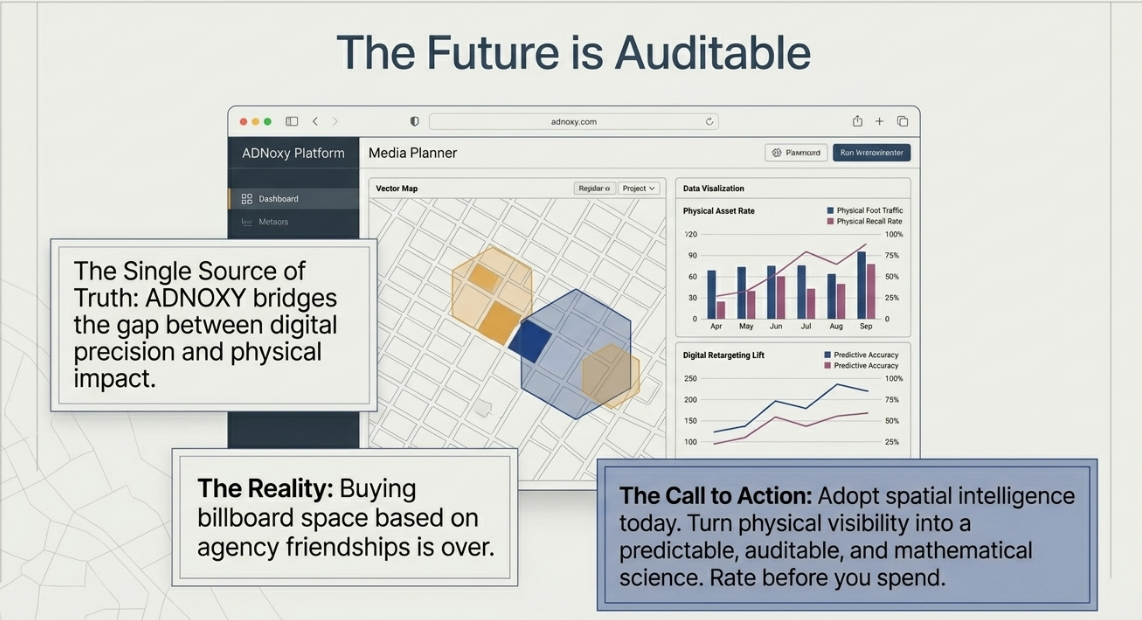
Finding real ROI requires an advanced AI footfall analytics billboard India platform built for absolute precision. The days of accepting vague traffic estimates from vendors selling premium highway structures are completely over.
Marketers are burning through capital chasing digital performance metrics that are increasingly polluted by bot traffic and synthetic engagement. Physical outdoor media remains a crucial, fraud-free alternative for large-scale brand building in 2026. The stakes have never been higher for offline media investments, requiring a structural framework to justify these physical placements with the exact same rigor demanded by your performance marketing teams.
Defining true spatial intelligence over static inventory lists
Real location reasoning operates as a sophisticated decision engine rather than a simple digital registry.
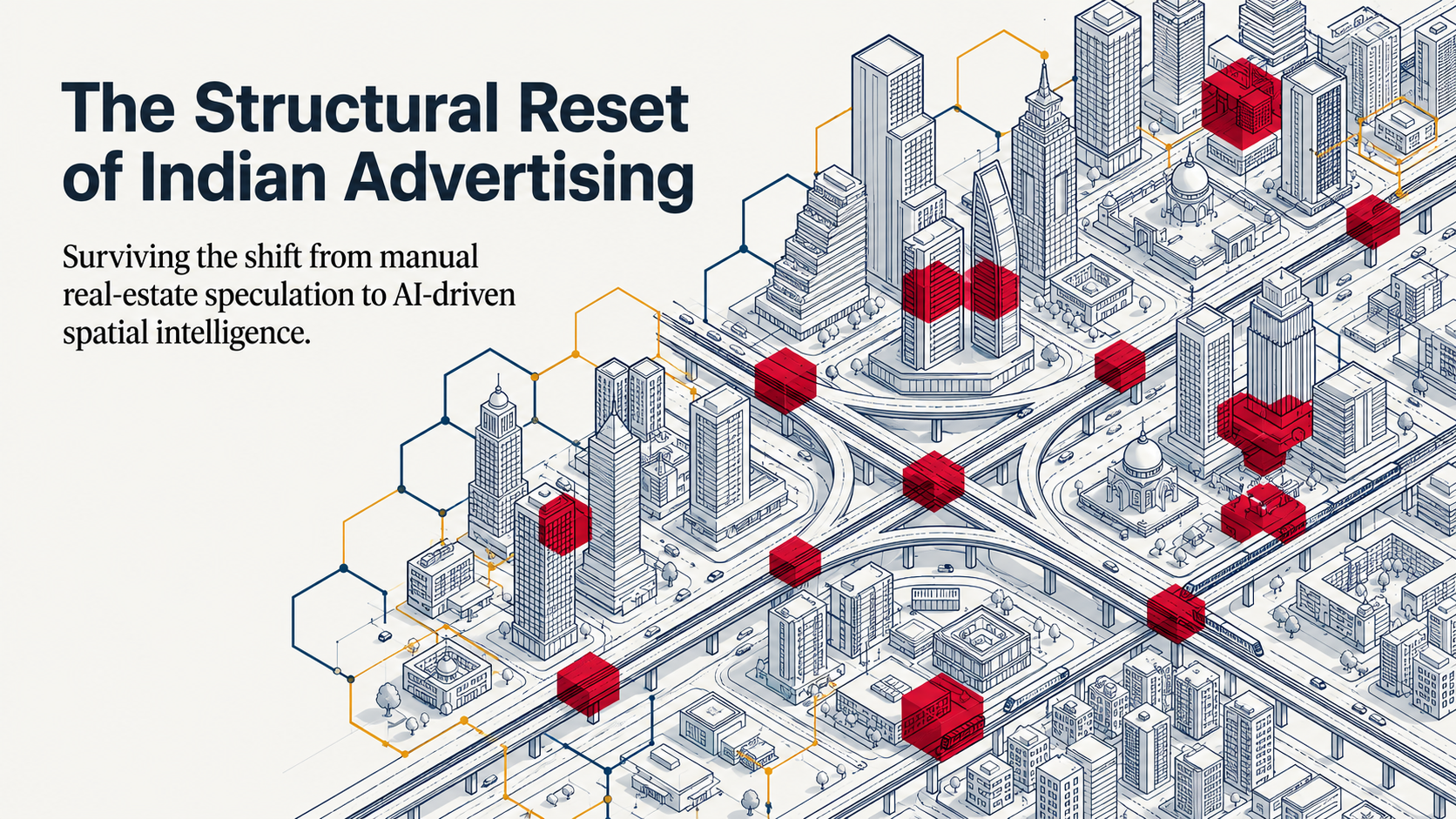
It actively maps the macro structure of an entire urban environment before ever looking at a specific physical asset. The system divides the complex geography into a strict hexagonal demand model. Every single cell features an approximate 460-meter edge length to serve as a highly specific behavioral containment zone. These distinct units house critical movement data, point-of-interest density, and deep audience composition signals.
Assets then inherit their strategic value directly from the complex behavioral ecosystems positioned right above them. A specific location scores incredibly well strictly because of its relationship to the surrounding commercial infrastructure.
The legacy industry evaluates physical sites in total isolation based purely on visual aesthetics and subjective pricing. A modern spatial engine explicitly models the active purchase environment immediately surrounding each individual hoarding. It calculates whether the zone structurally fits your specific campaign objective and overarching brand archetype.
That changes everything about how you plan.
The illusion of reach on the NH48 expressway
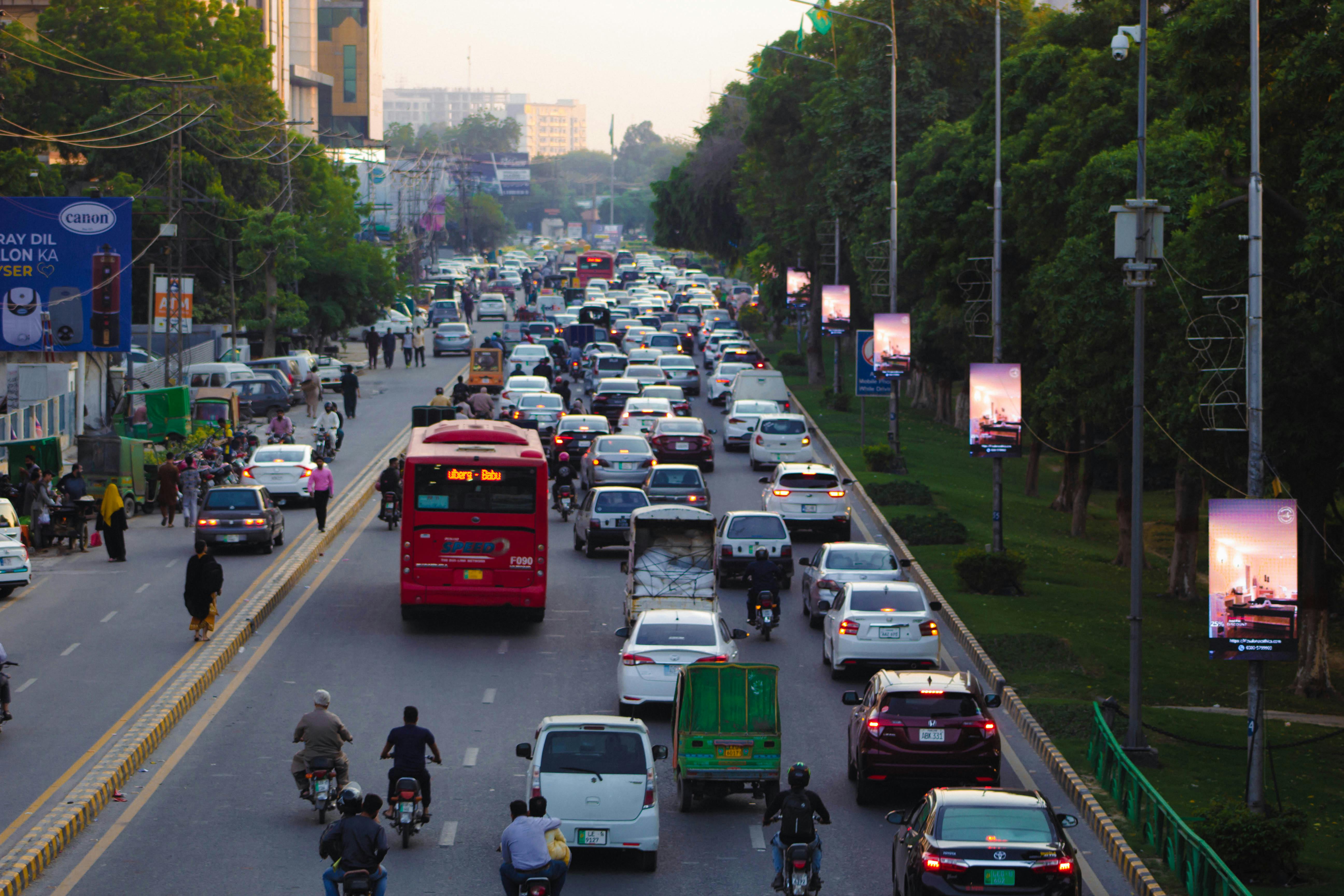
Supply-side planning completely dominates the current market because agencies push whatever inventory their vendors need to clear. Consider a premium real estate developer trying to capture high-net-worth buyers commuting along the Delhi-Gurugram expressway. Locations enter the developer's media plan primarily because they are currently available or heavily discounted by the asset owner. The agency will frequently recommend massive hoardings near the Mahipalpur bottlenecks, promising maximum daily vehicle throughput to justify the exorbitant expense.
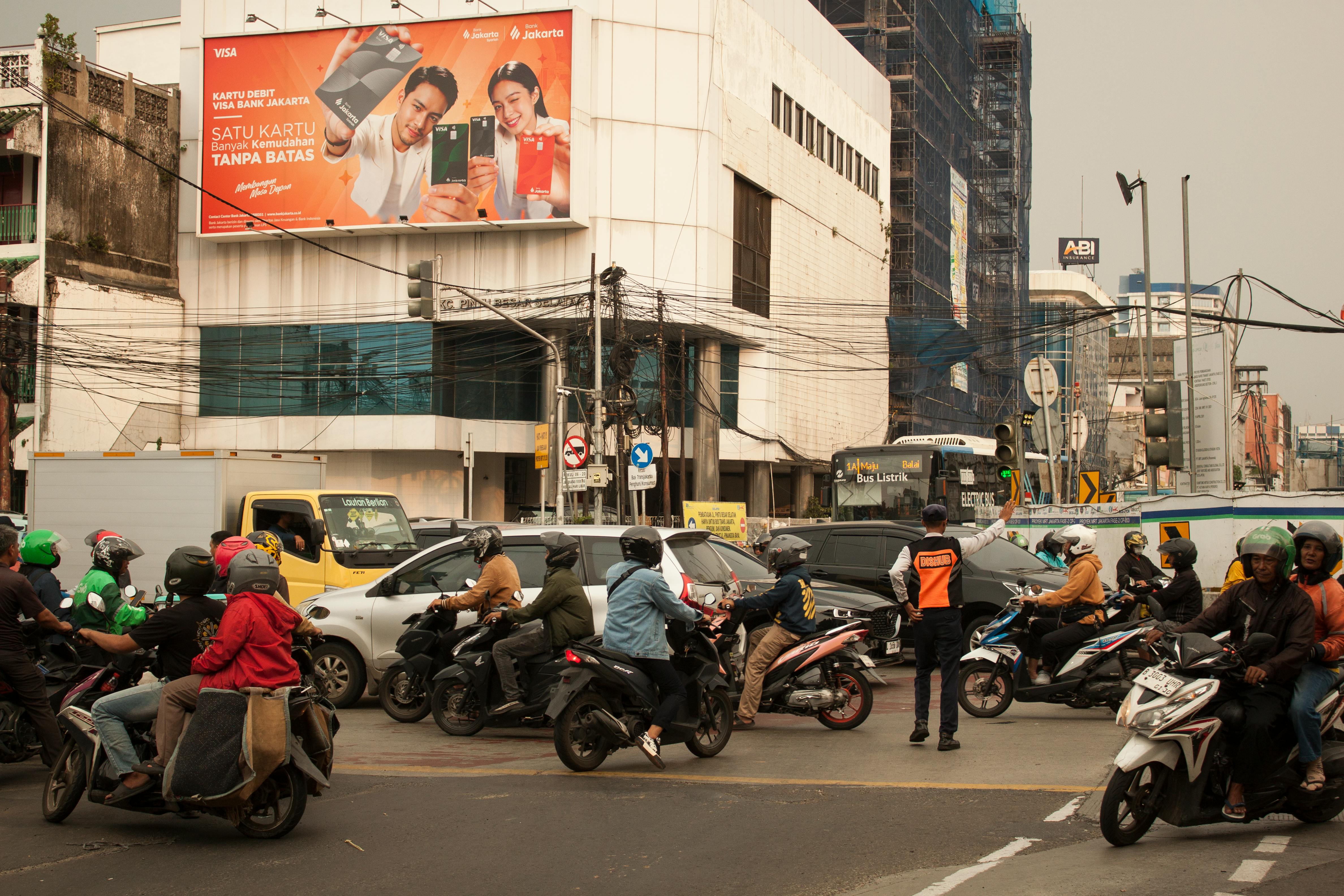
The structural failure here is that raw traffic volume actively ignores the specific cognitive requirements necessary to trigger memory encoding for a luxury property. A fast-moving transit pipe delivers a massive audience, but the exposure duration is mathematically too short for the human brain to process complex architectural branding.
To be direct about something most platforms will not say, full attribution for a static hoarding in a tier-three city is still genuinely difficult.
The ground-truth verification infrastructure in those smaller regional markets is simply still catching up to the technology. The underlying movement data exists within the modern analytical models, but connecting it to a final localized sale remains a massive challenge. Anyone selling you a flawless, hundred-percent verified attribution system for rural markets is oversimplifying the reality of physical space.
Building a defensible evaluation standard
Our approach fundamentally inverts the traditional media buying process. We start by mapping where the target demographic actually moves throughout the week, isolating their daily behavioral loops. Only after calculating the most valuable urban corridors do we cross-reference available physical inventory across the network. This demand-driven methodology protects your capital from being absorbed by poorly placed visual dead zones.
We do not sell space, we score it. When clients first see the hexagonal demand model, the question is almost never about baseline accuracy—it is always about which specific zones their biggest competitor has not covered yet.
And that alters the entire conversation.
That exact interaction completely altered how we view the platform's architectural priorities. Every location receives a rigid evaluation across four distinct dimensions covering audience alignment, movement quality, commercial density, and campaign intent. You can explore the full platform at adnoxy.com to see exactly how these mathematical scores generate autonomous, defensible media strategies.
Different brand archetypes receive fundamentally different scoring logic to match their distinct market positions. A luxury automotive manufacturer prioritizes high-street shopping zones and premium corporate districts while actively capping the use of generic filler assets. A mass-market consumer goods brand demands maximum coverage breadth across high-velocity transit networks to capture daily household buyers. These are completely different interpretations of the exact same city data, requiring distinct structural frameworks.
The platform treats major roads as complex behavioral systems rather than simple traffic pipes. Exposure sequencing dictates that a brand appearing on the same corridor multiple times produces cumulative memory effects that isolated placements absolutely cannot replicate.
Nobody talks about this openly.
Why an AI footfall analytics billboard India strategy wins
The financial shift away from purely digital channels is accelerating as physical measurement improves. According to the Pitch Madison Advertising Report 2026, outdoor advertising grew by five percent year-on-year to reach ₹5,077 crore in projected spend. Digital channels dominate the raw expenditure totals, but an estimated twelve to fourteen percent of those budgets are completely lost to invalid bot traffic.
This massive fraud leakage explains why physical media continues to attract heavy investment from major brands seeking genuine human attention. Traditional outdoor media maintains an eighty-two percent ad recall rate, which remains the highest cognitive retention metric across all available advertising channels.
Advanced OOH foot traffic data fundamentally rewires these base statistics by introducing rigorous behavioral logic. A combined outdoor and digital approach actively produces a forty-eight percent higher brand recall than running isolated online campaigns. The measurement standard is finally shifting away from theoretical opportunity-to-see metrics toward strict visibility-adjusted contacts. This modern standard actively filters out individuals who lack a reasonable probability of actually looking at the physical advertisement.
Most planners still do not know this.
The industry is undergoing a massive biological awakening regarding visual attention and cognitive retention. Neuroscience research reveals that sustained visual attention is an absolute biological requirement for encoding strong brand memories. As one media planner put it: "We stopped trusting gut feel the day ADNOXY showed us the data."
When a consumer encounters a physical hoarding repeatedly on their daily commute, the prolonged encounters build significantly stronger memory encoding than brief digital exposures. It completely shifts the conversation from theoretical impressions to verified cognitive absorption.
Escaping the visibility trap in your next campaign
Stop buying massive reach because your brand does not actually have a visibility problem. It has a repetition problem, and most conventional outdoor plans actively make it worse by spreading your budget across completely disconnected geographic locations. You must demand strict exposure sequencing to guarantee a consumer encounters your messaging multiple times along the exact same commuter corridor. A single isolated placement on a major highway achieves nothing without supporting local recall assets clustered around residential hubs.
That is the core failure.
Instruct your agency to abandon raw vehicle counts immediately by integrating an AI footfall analytics billboard India platform into the planning cycle. Force the media planners to provide a specific congestion index and calculated dwell time for every single proposed location. A reliable system should mathematically prove how the vehicle speed allows for proper visual absorption.
You must also interrogate their underlying demand models to expose their actual technical capabilities before signing any execution contracts. Ask the software provider how they calculate localized affluence across the entire city map.
If they rely strictly on historical census data or generalized pin-code wealth labels, their entire system is fundamentally outdated. A true intelligence platform dynamically pulls live real estate pricing and commercial anchor proximity to map wealth as it actually shifts across a developing area. They must distinguish between genuinely affluent residential zones and highly transient commercial strips. These precise geographic distinctions dictate whether your high-end product resonates or simply becomes invisible background noise.
And that changes everything about how you plan.
The boardroom reality of vendor selection
The difference between a basic digital registry and a true spatial intelligence engine becomes brutally obvious during the procurement phase. A major retail client recently asked three different agencies to justify a massive multi-city rollout. The stakes were incredibly high given the aggressive offline expansion targets set by their executive board.
Two agencies returned with beautifully formatted spreadsheets heavily focused on subjective premium locations and basic municipal traffic logs. Their presentations relied entirely on gut feel and legacy vendor relationships to justify the exorbitant media costs.
The third agency presented a sequence-mapped plan that dynamically inferred local affluence using live real estate transaction liquidity and commercial anchor proximity. They explained the specific behavioral role each billboard played in the broader campaign strategy, labeling assets as primary anchors or commute frequency drivers. The data-driven proposal actually reduced the total site count by twenty percent while dramatically increasing the verified target audience penetration. It proved that distinguishing between genuinely affluent residential zones and transit-inflated corridors saves massive amounts of wasted capital.
Here is the part that usually surprises people.
The marketing director finally had a rigorous mathematical defense for her physical media expenditure to present to the leadership team. The campaign launched successfully without the usual anxiety surrounding outdoor investments, delivering measurable foot traffic to the new retail locations. It completely validated the decision to abandon subjective planning in favor of structural spatial intelligence.
Before you finalize your next media budget, review the hard numbers separating physical outdoor assets from highly volatile digital display channels. The underlying metrics reveal a compelling argument for maintaining a strong physical presence in a saturated digital economy.
| Media Channel |
Average CPM Range |
Ad Recall Rate |
Market Size 2025 |
| Standard Static OOH |
₹5–₹15 |
82% |
₹4,835 Crore |
| Digital Display Ads |
₹80–₹150 |
44% |
₹93,156 Crore |
Demand immediate accountability for your physical marketing investments, because the technology to audit urban geography already exists. Every rupee deployed on an outdoor asset without strict locational reasoning is a gamble your brand cannot afford to make. The future of media planning belongs to those who measure the actual movement of humans rather than the theoretical capacity of a steel frame. Challenge your media partners to prove their spatial intelligence before they ask for your budget.
Frequently Asked Questions
How does spatial intelligence improve campaign planning?
It shifts the focus from simple billboard availability to actual audience movement patterns across an entire city map. Through the ADNOXY AI engine, brands generate media strategies autonomously based on precise behavioral units rather than static vendor spreadsheets.
Why is raw traffic volume a misleading metric for billboards?
High traffic volume does not automatically equate to high brand recall if vehicles are moving too quickly to process the physical advertisement. The ADNOXY movement score actively penalizes high-speed corridors that completely lack the necessary exposure duration for memory encoding.
What differentiates a luxury brand outdoor strategy from a mass market approach?
Luxury brands require strict selectivity and tight alignment with affluent commercial districts, severely limiting generic asset placements. The ADNOXY system applies specific brand archetypes to guarantee the scoring logic fundamentally adapts to these completely different strategic requirements.
How do dynamic market signals map urban affluence accurately?
Static census data quickly becomes outdated and fails to reflect current economic realities in rapidly expanding Indian metropolitan areas. ADNOXY proprietary quantum profiling actively analyzes live residential property values and the exact proximity to major economic anchors to map shifting wealth.
Can outdoor media placements be systematically audited today?
Modern spatial systems provide highly detailed strategic explanations for every selected asset rather than relying on subjective human justification. The ADNOXY platform produces a narrative reasoning output for every location, providing marketing heads with the exact behavioral role the billboard fulfills.
AI Footfall Analytics Billboard India: Real Audience Data
Stop guessing with your media budget. Implement an AI footfall analytics billboard India platform to measure real audience data. Audit your campaign today.
You are likely still planning your physical media campaigns based on vendor spreadsheets and pure gut instinct.
The Indian advertising market is shifting rapidly. While digital ad fraud costs the industry millions daily, traditional outdoor media remains completely human and fraud-free. But there is a massive problem holding the industry back. Out-of-home advertising has historically lacked a standardized, auditable framework for decision-making.
Traffic volume does not equal audience relevance. A billboard on a high-speed highway delivers near-zero memory recall compared to a strategically placed asset on a high-dwell commuter corridor. It is time to stop buying space and start scoring it mathematically.
At ADNOXY, we built a spatial intelligence engine to fix this structural failure. We break down how traffic physics and dynamic affluence mapping are replacing subjective guesswork with rigorous mathematical logic. Every physical location must be justified before capital is deployed.
Ready to see how behavioral data fundamentally rewires media planning and protects your budget. Explore our full platform at adnoxy.com to see the engine in action.
How is your team currently verifying physical campaign visibility?