Integrating an AI programmatic DOOH platform India has shifted from a novel experiment to a structural survival mechanism for media agencies seeking to justify real-world media spends. Marketers are no longer willing to allocate crores of rupees to physical billboards without receiving the same programmatic proof of exposure they demand from mobile or search networks. This shift represents a permanent change in how Indian cities are planned and monetized.
As total advertising expenditure in India approaches the ₹2,01,891 crore threshold, legacy agency processes are collapsing under the pressure of digital-first expectations. Location-based media formats are expanding at an 8.9% rate, yet this physical growth is driven entirely by digital screen integration. Traditional, unmeasured billboards are entering a yield-optimization phase where unverified reach is penalised. Consequently, marketers are moving budgets to networks that connect real-world exposure to transactional outcomes.
How an AI programmatic DOOH platform India actually works
At its core, algorithmic outdoor media planning replaces subjective vendor negotiation with automated, data-driven screen bidding. Such automation supports real-time transaction loops and real-world audience matching across major municipal networks.
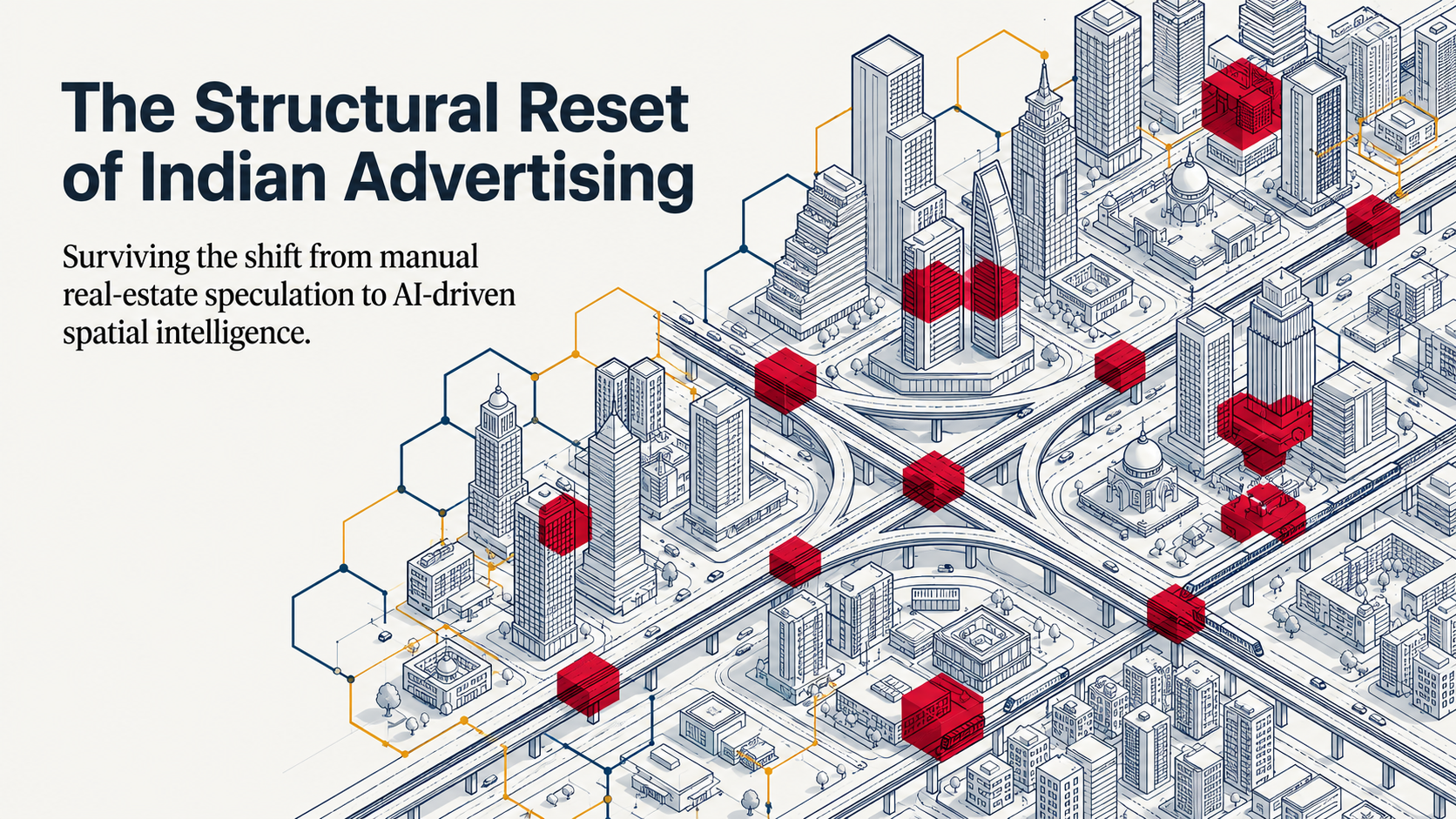
The system maps the entire city using a hexagonal demand model, dividing urban geography into standardized cells of four-hundred-and-sixty-meter edge lengths. These hexagonal cells serve as independent behavioral units that continuously collect local device density, point-of-interest indicators, and transit traffic patterns. By establishing these localized grids, the software can compare disparate junctions on equal terms, bypassing unverified vendor footfall claims.
Through this spatial approach, your brand acquires targeted attention pools rather than generic, physical real estate. Every digital screen is scored across four distinct dimensions: audience alignment, repeat-exposure movement conditions, active purchasing environments, and brand archetype intent fit. By prioritizing intent fit over mere volume, programmatic digital OOH India agencies can craft highly precise, local experiences.
And that changes everything about how you plan.
Why traditional media planning is failing Indian brands
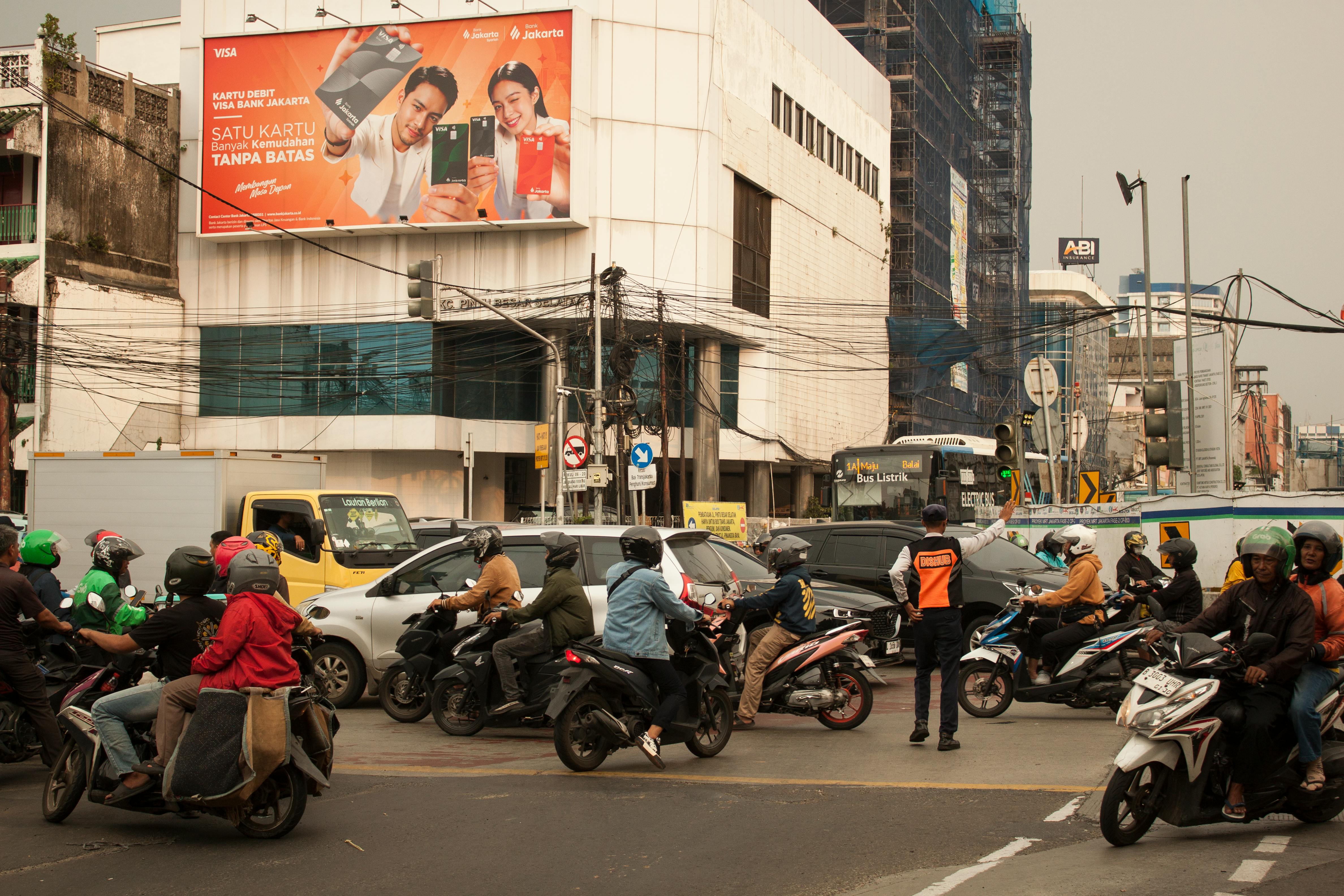
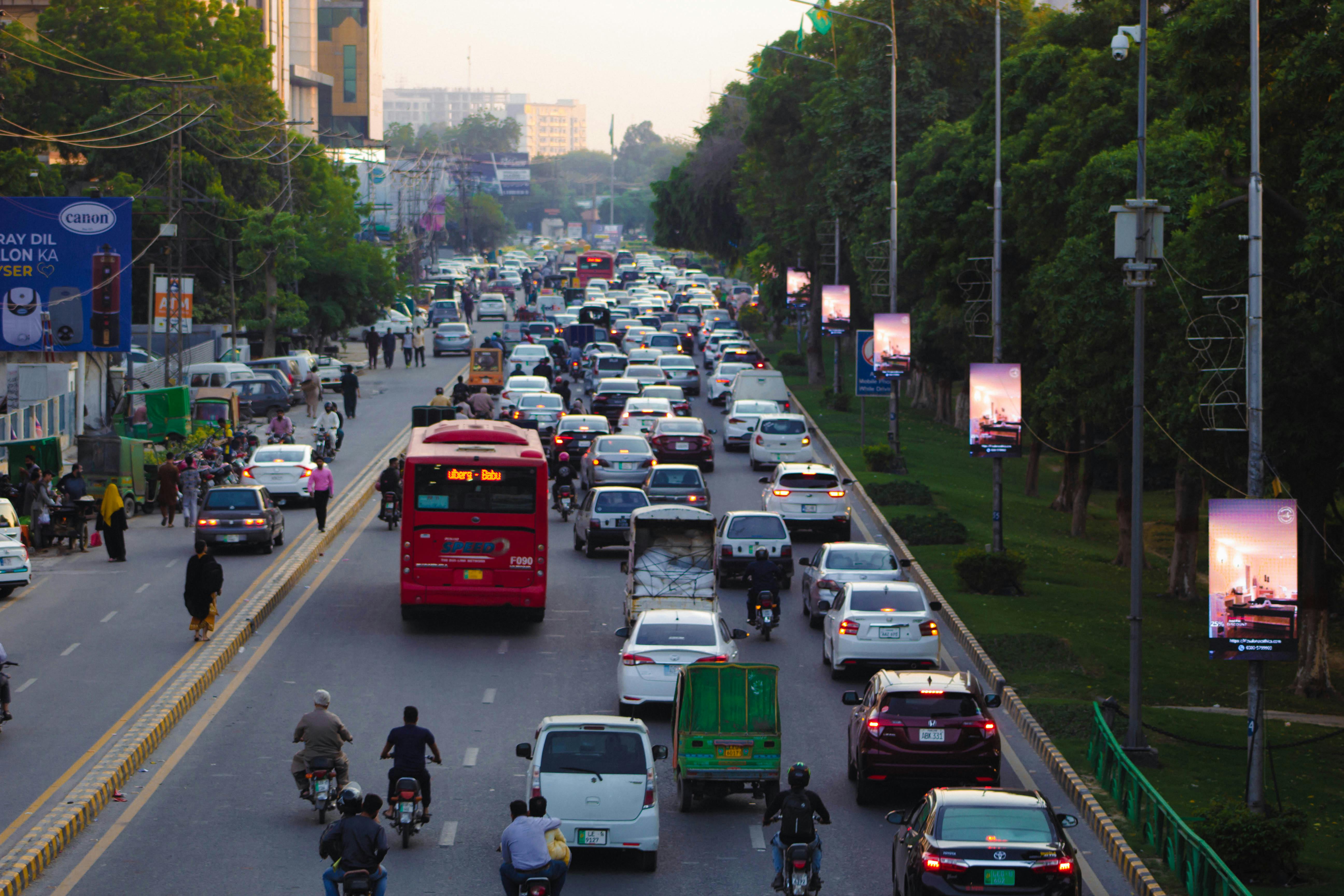
Legacy media buying is structurally broken because agencies continue to purchase physical inventory based on unverified municipal traffic estimates. Consider a real campaign for a financial brand along the Western Express Highway Bandra-Andheri stretch in Mumbai, where a prime hoarding was rented for ₹10,00,000 per month. On paper, the site boasted a massive daily traffic estimate of five lakh vehicles. However, because commuter speeds during evening peak hours dropped to seventeen kilometers per hour, drivers focused entirely on steering through bumper-to-bumper congestion.
The high-angle billboard sat outside the natural line of sight, causing near-zero brand recall. The client eventually rejected the renewal because the agency could not provide any proof of audience engagement or footfall lift.
To be direct about something most platforms will not say, full attribution for a static hoarding in a tier-three city is still genuinely difficult. The data exists, but the ground-truth verification infrastructure in smaller regional markets is still catching up with major metros. Anyone selling you a complete, real-time attribution solution for that specific regional scenario is oversimplifying the operational reality on the ground.
That is the core failure.
How spatial intelligence replaces manual billboard planning
ADNOXY operates as a location reasoning system that introduces standardized scoring and auditability to the Indian outdoor advertising market. This spatial intelligence engine evaluates cities first to predict how commuter movement patterns generate recall.
Rather than functioning as a standard DOOH buying platform or billboard listing site, the platform evaluates the city's structure first to predict how commuter movement patterns generate recall. This spatial analysis allows physical screens to inherit strategic roles—such as primary anchors, commute frequency drivers, or corporate signal boards—depending on their precise geographic context. To understand how we execute these optimizations at the transaction level, look at our companion piece on(https://adnoxy.com/blog/automated-dooh-campaign-buying-with-ai-what-indian-agencies-need-to-know). This integrated focus on execution helps modern agencies maintain complete visibility.
We do not sell physical space; we score it based on active behavioral data. When clients first see our hexagonal demand model, the question is almost never about mathematical accuracy, but rather about which specific zones their competitor has not covered yet. That question changed how we think about our role as decision partners.
That realization changed how we built the platform, moving us from a simple workflow tool to an autonomous spatial intelligence engine. Explore the full platform at adnoxy.com to see these automated planning loops in action.
Most planners still do not know this.
Verifiable benchmarks and market performance data
The commercial efficiency of digital billboard networks is proven by clear industry benchmarks that demonstrate the shift from impressions to outcomes. According to the Pitch Madison Advertising Report 2026, the Indian advertising market reached ₹1,55,105 crore in 2025 under an expanded baseline that captures quick commerce and MSME spends. Within this landscape, digital formats already command sixty percent of total expenditure, marking a permanent structural shift.
Separately, research from Nielsen India shows that outdoor advertising delivers an eighty-two percent brand recall rate, which is the highest of any media channel.
By deploying an AI programmatic DOOH platform India brands can transition from speculative visibility to programmatic performance. Data from GroupM indicates that digital out-of-home screens now command fifteen percent of total outdoor advertising spends in India. This investment is justified by a Solomon Partners study, which reveals that campaigns combining physical out-of-home with digital mobile ads deliver forty-eight percent higher brand recall than those using online channels alone. Additionally, these multi-channel campaigns trigger a thirty-eight percent increase in localized search queries as consumers interact with brands in the physical world.
This unified architecture turns a physical display into an unmissable trigger for online actions. By replacing subjective opinions with verifiable numbers, agencies can defend their media mixes during reviews. That outcome establishes programmatic credibility where it matters most.
Here is the part that usually surprises people.
Step-by-step strategies for digital screen buying
To build an effective programmatic strategy, media buyers must transition from buying fragmented physical boards to planning sequenced commuter paths. This optimization requires mapping the primary arterial routes and commercial hotspots where your target demographic's density is highest.
Deploy a primary anchor screen at a major traffic junction to establish brand stature, while placing recall support boards in surrounding residential corridors. This structured sequencing guarantees that your creative assets do not fade into the background as visual wallpaper. Stop buying reach. Planners often confuse physical coverage with actual cognitive engagement.
Your brand does not have a visibility problem, but rather a repetition problem, which standard media plans actively worsen by spreading spend across disconnected locations. To build actual memory recall, you must ignore raw traffic volumes and prioritize repeat-exposure zones with high dwell times. An automated digital billboard India deployment allows your team to schedule dynamic copy changes based on daypart rules, matching creative to the morning and evening rush.
Showing contextually relevant ads during these active windows increases commuter cognitive response by over thirty percent. This localized precision turns a standard impression into an active consideration moment.
Evaluating programmatic DOOH tech options
Selecting the right spatial planning partner requires agencies to look past glossy vendor presentations and demand verified, auditable location data.
Consider the decision scenario of a retail conglomerate launching a premium grocery chain in Jayanagar, Bengaluru. The traditional agency presented a list of twelve digital screens, claiming massive daily traffic figures as proof of performance. The brand manager, however, asked a single question: how many of those daily passersby actually live in the surrounding high-affluence blocks?
The traditional agency had no answer, as their numbers were derived from unverified estimates. Our team processed the same brief through our spatial engine, filtering for high-income households and replacing four fast-speed transit screens with five corporate signal boards near active commercial points.
The campaign delivered a forty-two percent increase in store footfall because every single screen matched the target audience's daily movement. This outcome proved that precise, data-driven planning beats raw, unverified reach every single time. To assist your team in making these financial decisions, we have compiled the verified cost and performance benchmarks across India's primary channels below.
| Channel |
CPM Range in INR |
Average Brand Recall |
Skip or Adblock Rate |
| Traditional Hoardings |
₹5–₹15 |
82% |
0% |
| Digital Display Ads |
₹50–₹200 |
41% |
65% |
| Social Media Ads |
₹30–₹150 |
38% |
70% |
| Television Ads |
₹100–₹300 |
62% |
25% |
| Programmatic DOOH |
₹500–₹2,000 |
92% |
0% |
Brands that continue to buy outdoor media based on gut feel will find their budgets migrating to performance digital. As the physical and digital ad economies converge, the ability to rate, compare, and audit physical real estate will separate market leaders from legacy brokers. By shifting your planning toward automated, data-backed models, you transform physical billboards into high-performing triggers that capture consumer attention.
Frequently Asked Questions
How does an AI OOH platform verify actual audience footfall in Indian cities?
Our platform bypasses speculative municipal traffic estimates by integrating anonymized device density data from mobile devices. Our method bypasses inflated municipal estimates by calculating active devices passing a screen during specific hours. We combine these mobility patterns with points of interest around our fifty thousand analyzed locations to determine the exact demographic profile of each zone.
Can the smart billboard platform distinguish between different household income levels?
ADNOXY uses proprietary quantum profiling to separate genuinely affluent residential areas from commercially expensive or transit-inflated corridors. The engine analyzes repeated device movement patterns, mapping where a device spends nights and where it works during the day. Our analysis provides a highly accurate affluence index rather than relying on generic neighborhood assumptions.
What is the benefit of using hexagonal cells instead of square grids?
Hexagonal cells have uniform distances from the center to all neighboring points, allowing for highly accurate modeling of fluid urban movement. Standard square grids distort distance calculations near the corners, which leads to spatial errors when mapping traffic corridors. Our four-hundred-and-sixty-meter hexagonal grid ensures precise audience tracking across major metros.
How does the outdoor AI tool evaluate if a billboard is obstructed?
Every screen in the ADNOXY network undergoes automated visibility audits to measure the perceptual size of the display. The system calculates visual angles, heights, and surrounding environmental clutter using computer vision to generate a precise visibility score. Such scoring helps prevent brands from paying premium rates for sites that are physically blocked or passed too quickly for recall.
What role categories does the platform assign to individual locations?
Our system assigns a specific strategic role to each asset, such as a primary anchor to build brand stature or a commute frequency driver to generate repetition. Other roles include corporate signal boards to establish credibility in professional corridors and local recall support boards for residential zones. Such structured categorization guarantees that every digital screen serves a distinct marketing objective.