OOH ADVERTISING//September 14, 2025//7 min read
OOH Is Growing. Accountability Isn’t.
OOH is resurging across markets, but accountability has not kept pace, leaving buyers navigating confidence built on approximation.
OOH is resurging across markets, but accountability has not kept pace, leaving buyers navigating confidence built on approximation.

Out-of-home advertising is having a moment again. After years of being dismissed as blunt, analog, and unmeasurable, billboards, transit ads, and street-level displays are back on media plans. Spending is rising across major markets. Digital screens are multiplying at airports, highways, and malls. Brands are drawn to the promise of scale without the fatigue of feeds.
But there is a problem most buyers quietly acknowledge and rarely confront: accountability has not kept pace with growth.
The modern OOH industry often sells certainty while operating on approximation. It borrows the language of precision marketing without consistently delivering the proof that language implies. That gap matters more now than it did before.
OOH’s resurgence is not accidental. As digital advertising struggles with signal loss, privacy regulation, and brand safety concerns, physical media looks reassuringly simple. A billboard cannot be blocked. A transit shelter does not suffer from ad fraud. The real world appears safer than the open web.
Global OOH spending has rebounded strongly since the pandemic, with digital OOH leading the recovery. Screens can be updated remotely. Creative can be time-based. Campaigns can trigger off weather, traffic, or location.
To many marketers, this sounds like accountability. In reality, much of it is performance theater.
OOH measurement still relies heavily on modeled data. Impressions are inferred rather than observed. Traffic counts are averaged. Mobile location data is layered on after the fact, often through opaque methodologies that few buyers fully understand and even fewer can audit.
The pitch is familiar: we know how many people passed by, how long they likely looked, who they might have been, and whether they later visited a store.
Each step adds confidence. Each step also adds assumptions.
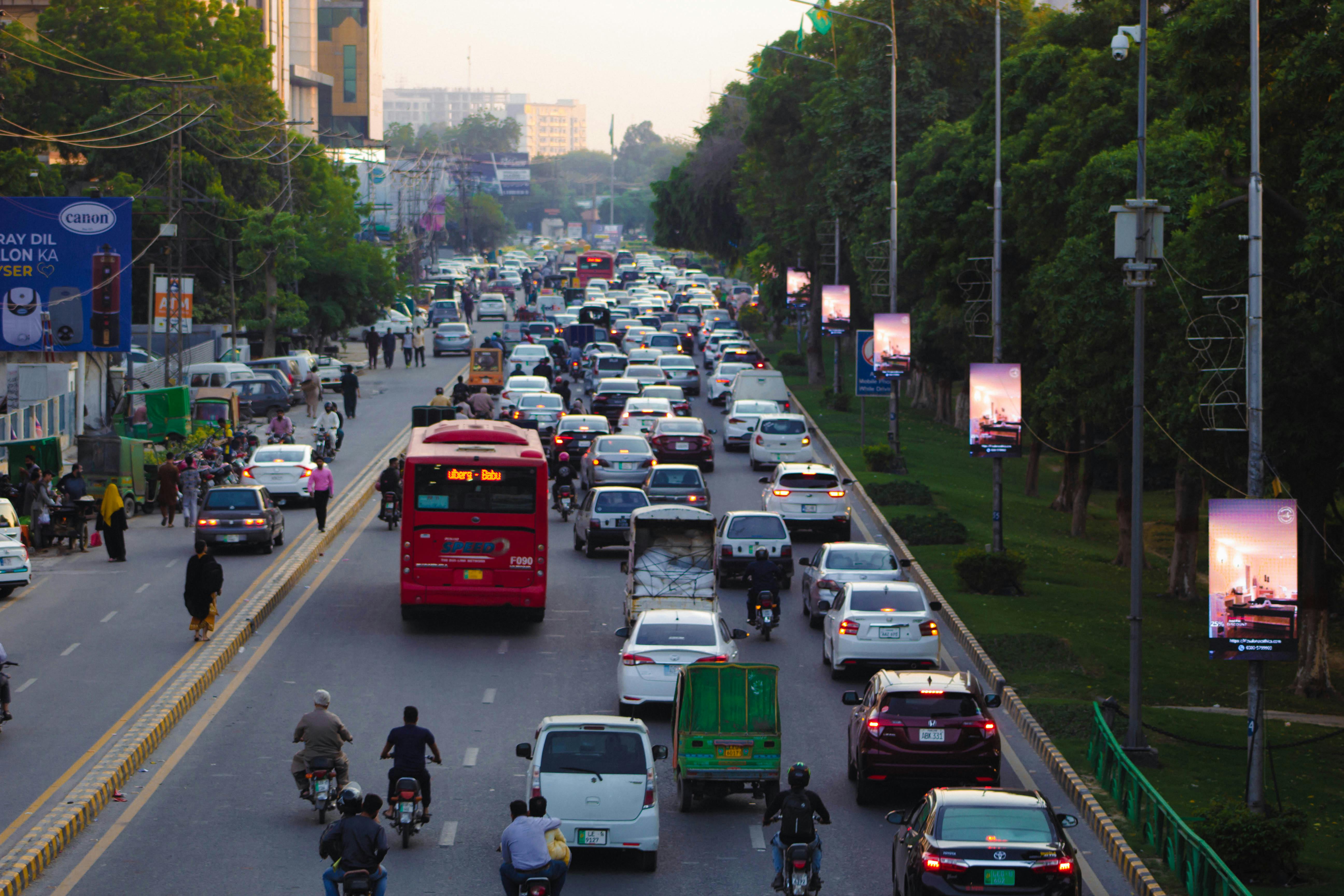
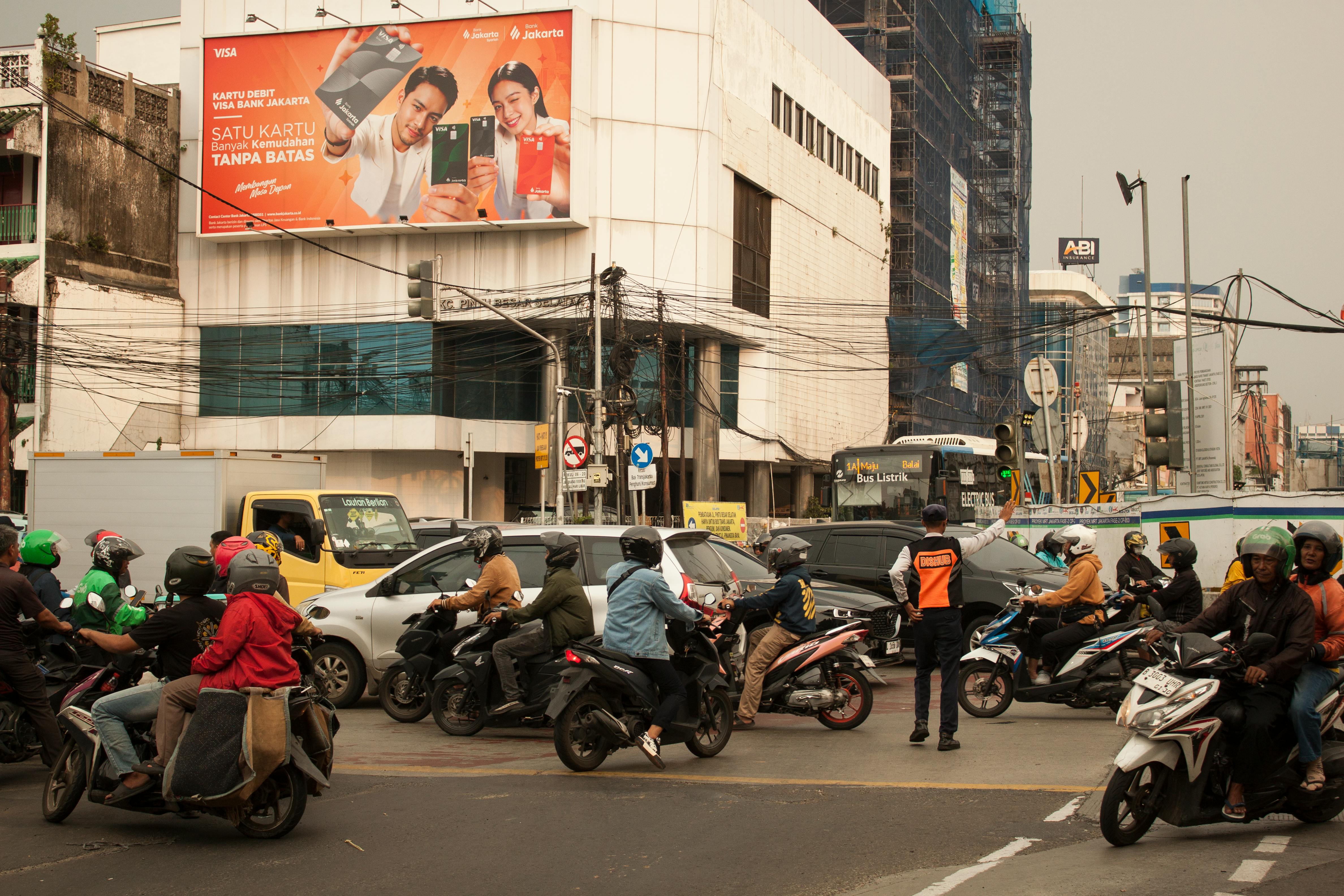
Unlike digital ads, where flawed metrics are at least derived from direct user interactions, OOH metrics are several degrees removed from actual behavior. A car passing a billboard does not equal attention. A phone ping near a screen does not equal exposure. A later store visit does not equal causality.
Yet reports are often delivered with decimal-point precision, as if uncertainty itself had been engineered out.
For large brands with diversified media portfolios, this fuzziness is often tolerable. OOH becomes a branding layer, evaluated loosely and forgiven easily.
For smaller advertisers, it is far riskier.
OOH remains expensive. It requires long commitments and offers limited ability to test incrementally. When performance disappoints, post-mortems are vague. Awareness rose. Recall improved. The market was noisy.
The burden of belief falls on the buyer.
Agencies sit uncomfortably in the middle. Many understand the limits of the data they present. Few are incentivized to state those limits plainly. Inventory is scarce. Relationships matter. Challenging the numbers too aggressively can jeopardize access.
So the system persists, supported more by habit and optimism than by proof.
Digital OOH promised a reset. Screens would modernize the medium. Data would follow.
In practice, digital has made OOH more flexible, not more accountable. Creative rotation and contextual triggers are improvements. They are not measurement.
A dynamic billboard is still a billboard. The core question remains unchanged: who saw it, who noticed it, and what did it change?
Until those questions can be answered with more than models and proxies, digital OOH risks becoming a more sophisticated version of the same guessing game.
This is not only a technical problem. It is a human one.
Marketing budgets are real money. They come from companies under pressure to grow, from teams judged on outcomes, from executives accountable to boards. When accountability is weak, trust erodes quietly.
Buyers grow cynical. Sellers become defensive. Conversations shift from effectiveness to storytelling about effectiveness.
Meanwhile, audiences move through cities largely unaware of the metrics being constructed around them.
True accountability in OOH would not require perfect measurement. That is unrealistic. It would require intellectual honesty.
Clear distinctions between what is known and what is inferred. Fewer dashboards designed to impress. More disclosure around margins of error. Independent audits that matter. Pricing models that reflect uncertainty instead of hiding it.
It would also require buyers to accept uncomfortable truths. Some OOH works because it is visible and unavoidable, not because it can be neatly attributed. Some campaigns succeed in ways that cannot be tracked. That does not justify pretending they can.
OOH does not need to apologize for being imperfect. Every medium is. But as it grows, it must decide what kind of growth it wants.
One path favors scale, spectacle, and confident claims that stretch beyond evidence. The other is slower, more disciplined, and more transparent about limits.
The irony is that the second path would likely build more trust, not less.
OOH has earned its return to the media mix. What it has not yet earned is the certainty it often sells. Until accountability catches up, growth alone will remain an incomplete victory.
Naman Sanghi is the CEO of ADNOXY. He is a spatial flow expert and campaign strategist dedicated to establishing neutral, movement-based evaluation standards in physical advertising.