Introduction
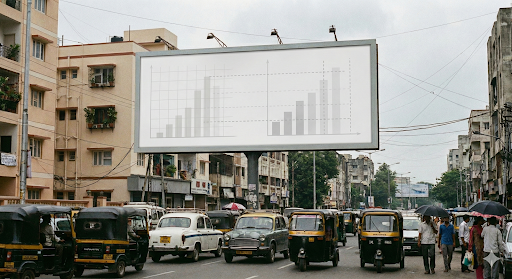
Out-of-home advertising has spent years defending itself. It was labelled “traditional” as cities became denser and more mobile, pushed into the “upper funnel” even as consumer journeys stopped behaving like funnels, and positioned as a rival to digital in a world increasingly focused on clicks.
That framing no longer fits reality.
OOH is not resurging by resisting digital media. It is finding relevance by quietly integrating into it. Its role is no longer to replace performance channels, but to strengthen them. OOH is no longer fighting the digital funnel. It is feeding it.
The End of a Convenient but Wrong Debate
The belief that OOH and digital sit on opposite sides of the media mix is a legacy assumption. It imagines consumers moving through neat, linear paths and media touchpoints existing in isolation. In practice, they do not.
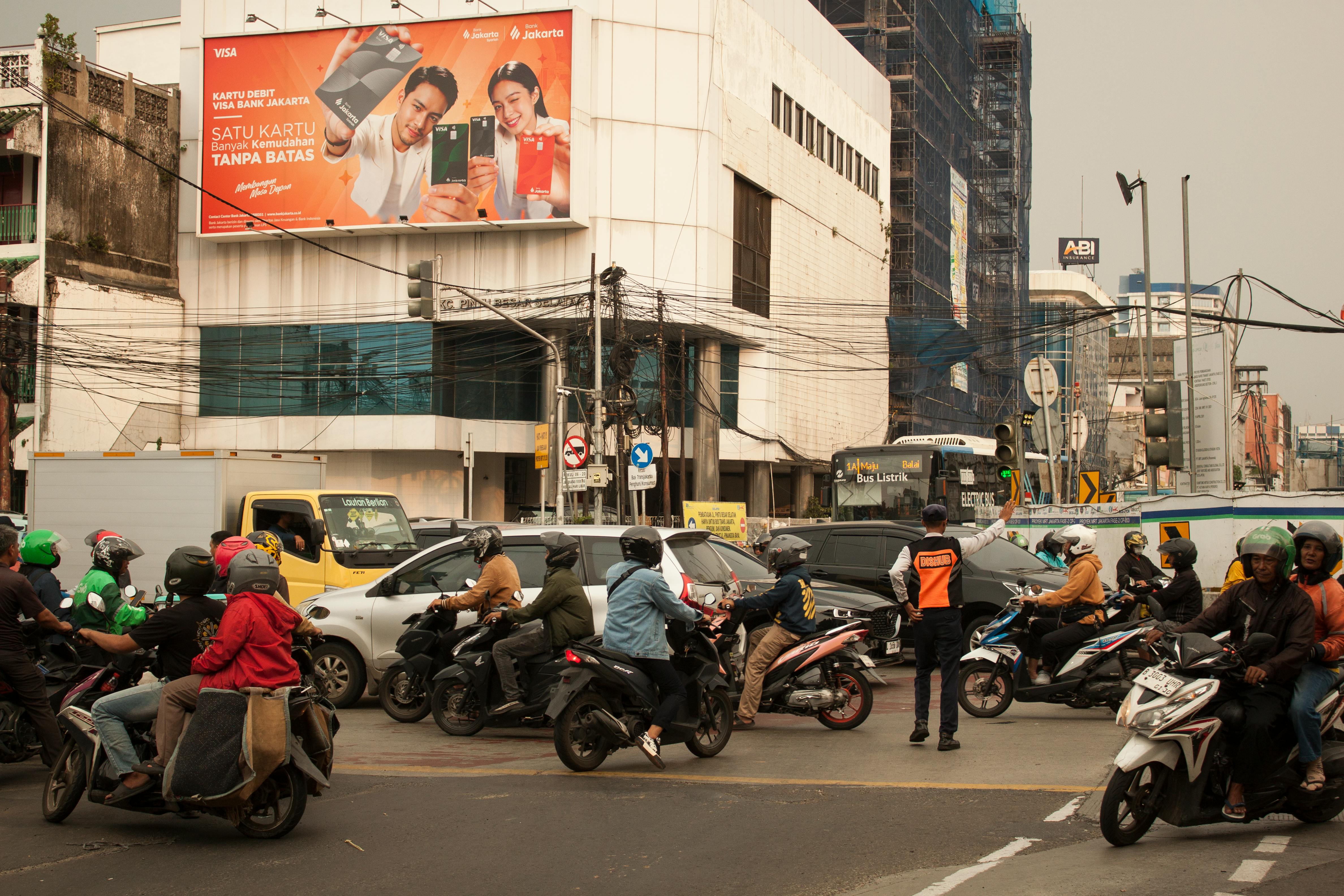
A brand noticed on a roadside hoarding is searched on a phone minutes later. A transit ad seen in the morning makes an Instagram reel feel familiar at night. A mall screen does not close a sale, but it shortens the distance to one.
Digital captures intent. OOH creates it. The issue was never relevance. It was integration.
Why OOH Still Matters in a Digital-First World
Digital advertising has delivered precision and scale, but it has also delivered saturation. Consumers scroll past hundreds of messages every day, many of which are interchangeable and quickly ignored.
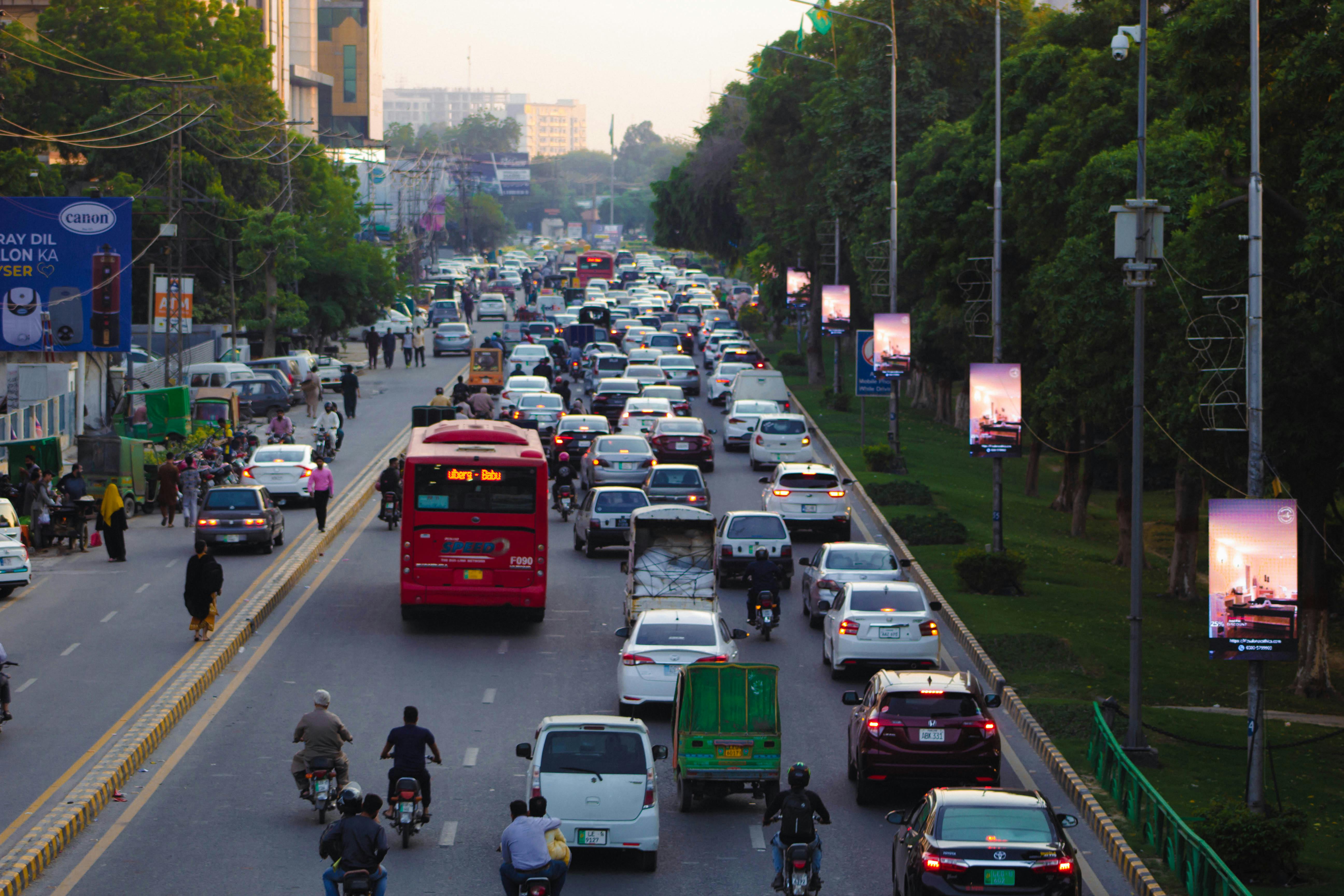
OOH operates under different rules. It appears where people already are. It does not interrupt; it coexists. It delivers visibility without demanding immediate action. This is why OOH has not disappeared despite digital dominance.
But survival is not strategy.
What has changed is expectation. OOH is no longer asked to do everything. It is asked to do one thing well: increase the likelihood that digital performs better.
The Funnel Has Changed, So Has OOH’s Place in It
The traditional funnel was tidy. Reality is not.
OOH’s modern value sits at three points in the journey:
Priming awareness before digital exposure
When consumers encounter a brand in physical space first, the digital ads that follow face less resistance. Familiarity improves recall. Performance improves without creatives changing.
Reinforcing memory between digital touchpoints
Platforms manage frequency internally. Brand memory exists outside them. OOH extends presence into daily routines, commutes, errands, and public spaces without fatigue.
Reducing friction at the point of intent
By the time someone searches, installs, or walks into a store, OOH has often already done its work. The decision feels easier because the brand does not feel new.
OOH is no longer a stage in the funnel. It is a force multiplier across it.
The Quiet Shift Toward Omnichannel Reality
As digital-first brands scale, many encounter the same ceiling. Costs rise. Marginal gains shrink. Attribution becomes harder, not clearer.
The instinctive response is to optimise harder. Increasingly, the constraint is not efficiency. It is demand creation.
This is where OOH re-enters serious planning conversations—not as a branding indulgence, but as an upstream input into performance.
Planned correctly, OOH can:
- Lift branded search
- Improve digital conversion efficiency
- Support store walk-ins that digital alone cannot explain
- Build trust in high-skepticism categories
None of this is new. What is new is the willingness to view these effects as part of a single system.
The One Constraint OOH Still Has to Solve
Despite its evolving role, OOH still suffers from a confidence gap.
Digital earned trust by making outcomes visible. OOH relied for too long on assumptions, averages, and post-campaign explanations.
The future does not require OOH to mimic digital metrics. It requires clarity of contribution. Brands increasingly want to know where exposure likely occurred, how consistently it happened, and whether it correlated with downstream behavior.
The closer OOH moves toward answering those questions, the more naturally it fits into modern decision-making.
Conclusion
It is tempting to call this a revival. It is not. OOH did not return. It adapted.
Its new job is not to compete with digital or justify its existence. It is to operate quietly within a broader system—one where physical visibility supports digital efficiency, and where brand building and performance are no longer treated as opposites.
OOH does not compete for the last click. It ensures the click happens at all.