RETAIL MEDIA//September 22, 2025//6 min read
When Retailers Became the Media
Retailers are no longer the final stop in the funnel. They are becoming the most powerful media platforms in modern advertising.
Retailers are no longer the final stop in the funnel. They are becoming the most powerful media platforms in modern advertising.
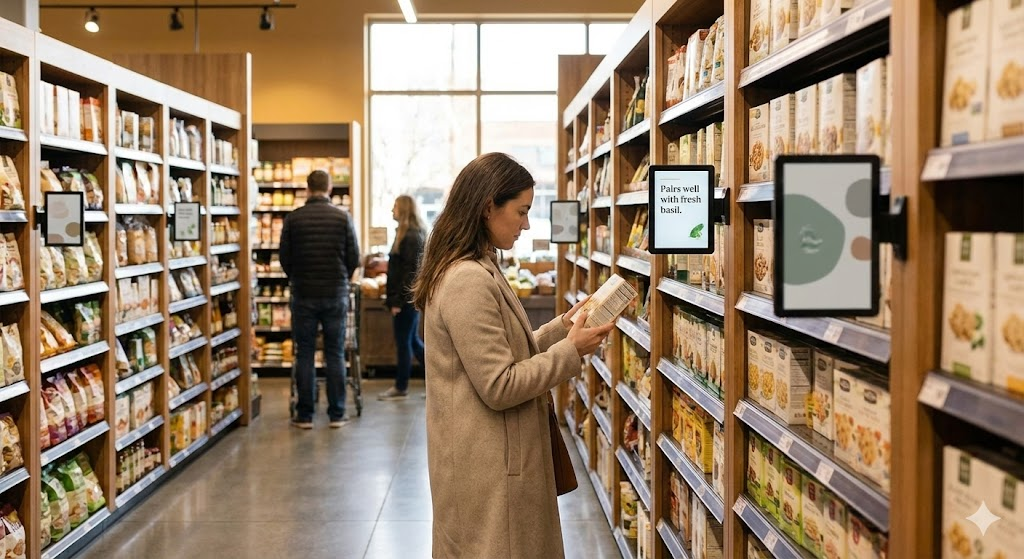
For years, retailers were treated as the last stop in the marketing funnel. Brands advertised elsewhere, built desire elsewhere, and arrived at the store hoping the product would speak for itself. Retailers focused on inventory, pricing, and logistics. Marketing belonged to someone else.
That division no longer holds.
Retailers are becoming some of the most sophisticated marketers in the digital economy. They are not guessing what consumers want. They are watching it happen in real time.
Unlike social platforms or publishers, retailers sit at the exact point where intent turns into action. They see what people search for, what they compare, what they abandon, and what they ultimately buy. They know timing, frequency, and context.
This data is not inferred. It is observed.
When a retailer promotes a product today, it is often based on yesterday’s behavior. Targeting is anchored in purchase history rather than demographic assumptions. The result is advertising that feels less like persuasion and more like suggestion. That subtlety is powerful.
Retail media networks have transformed digital shelf space into a high-margin business. Sponsored listings, personalized offers, and on-site ads are no longer side projects. They are core revenue streams.
For brands, this is where some of the most efficient advertising now happens. The consumer is already shopping. The environment is relevant. The distance between exposure and purchase is short.
For retailers, advertising is no longer just about selling products. It is about selling access to intent.
The shift is not only technological. It is psychological.
Retailers can anticipate needs based on patterns—replenishment cycles, seasonal behavior, and life-stage signals. Promotions arrive when they are useful, not random. Messages land because they are timely.
This is not magic. It is data applied with discipline.
When done well, it reduces friction. When done poorly, it feels invasive. The line between convenience and discomfort is thin, and retailers are learning where it runs.
Traditional digital advertising is struggling with signal loss, rising costs, and declining trust. Retail media offers an alternative: closed-loop measurement.
Brands can see what was shown and what was bought. Attribution is clearer. ROI is easier to defend. In an era of scrutiny, that matters.
As budgets tighten, spend flows toward channels that feel accountable. Retailers are well positioned to capture that shift.
This new role gives retailers leverage. They control data, placement, and pricing. Brands that once dictated terms now negotiate for visibility inside someone else’s ecosystem.
This is changing how products are launched, how promotions are timed, and how success is defined. Marketing strategy is increasingly shaped by retail platforms rather than creative agencies or media planners.
The store has become the signal.
There is an irony in this shift. As advertising becomes more data-driven, it also becomes more grounded in real human behavior—purchases, habits, and needs.
Retailers are not telling stories in the traditional sense. They are responding to actions. In doing so, they are redefining relevance.
The new wave of digital advertising is not louder. It is closer to the moment of decision. And as retailers sharpen their marketing instincts, they are no longer just places to buy. They are where modern advertising now lives.
Aman Bansiwal is the CTO of ADNOXY, focusing on building spatial reasoning systems, routing modeling engines, and transactional media data infrastructures.